
What is an Intercooler? Complete Guide in 2025

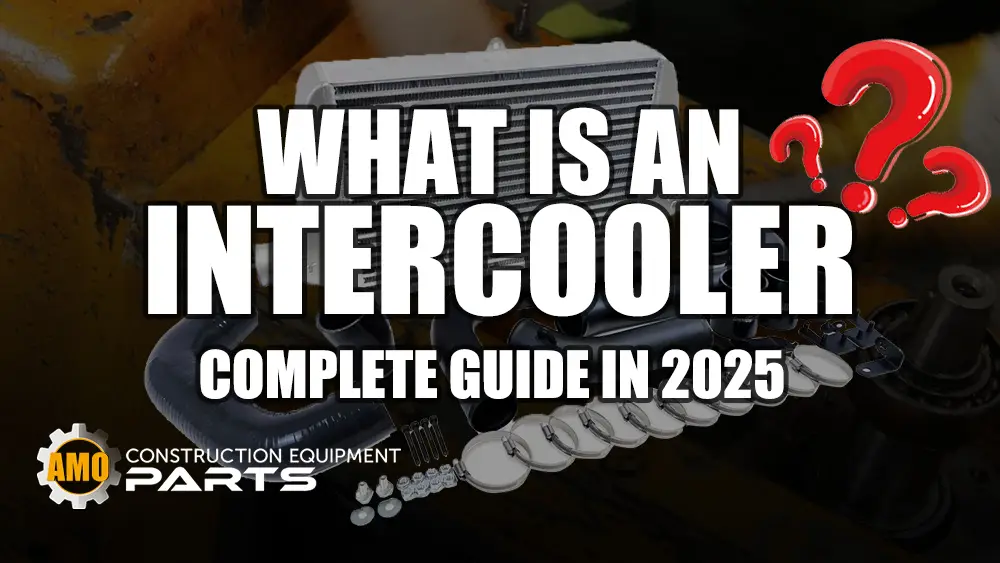
An intercooler is a key component in turbocharged and supercharged engines, responsible for cooling compressed intake air before it enters the engine. By reducing air temperature, the intercooler increases air density, improves combustion efficiency, boosts horsepower, and helps protect the engine.
Whether you drive a diesel truck, a performance car, or heavy-duty equipment, understanding the role of the intercooler, its types, and proper maintenance can enhance performance and extend engine life.
What is an Intercooler?
An intercooler is essentially a heat exchanger. It removes heat from compressed air leaving the turbocharger or supercharger.
When air is compressed by a turbocharger, it naturally heats up. Hot air is less dense, which means less oxygen for combustion. A properly functioning intercooler cools this air, restoring oxygen content and improving engine efficiency.
Why Every Turbocharged Engine Needs an Intercooler
- Prevent Engine Knock: Cooler intake air reduces the chance of pre-ignition.
- Increase Power Output: Denser air carries more oxygen, allowing more fuel to burn efficiently.
- Protect Engine Components: Lower intake temperatures reduce stress on pistons, valves, and turbochargers.
How Does an Intercooler Work?
The intercooler works as a bridge between the turbocharger and the intake manifold, cooling the air in transit.
Air-to-Air Intercooler:
- Uses ambient air flowing over the intercooler fins to cool compressed air.
- Common in trucks, cars, and performance vehicles.
- Advantages: Simple, low maintenance, durable.
Air-to-Water Intercooler:
- Uses engine coolant or dedicated water circuits to absorb heat from the compressed air.
- Common in high-performance or space-limited setups.
- Advantages: Compact, efficient in hot climates or tight engine bays.
- Requires additional components: pumps, reservoirs, and heat exchangers.
Key Principle: Cooler, denser air contains more oxygen, which improves combustion, reduces exhaust gas temperature, and prevents engine knock.

Types of Intercoolers and Their Applications
Air-to-Air Intercooler
- The most widely used type.
- Effective for vehicles with adequate airflow around the intercooler core.
- Typically mounted at the front of the vehicle (front-mount intercooler).
Air-to-Water Intercooler
- Often used in high-performance vehicles and racing applications.
- Can be mounted closer to the engine, saving space.
- Offers faster cooling in situations where ambient airflow is limited.
Specialized Diesel Intercoolers
- Diesel trucks often use larger cores to handle higher boost pressures.
- Some include charge air cooling modules integrated with other systems for heavy-duty applications.
Benefits of an Intercooler
- Enhanced Engine Power: More oxygen leads to stronger combustion.
- Improved Fuel Efficiency: Cooler air helps engines burn fuel more completely.
- Lower Emissions: Optimized combustion reduces smoke, soot, and harmful emissions.
- Reduced Turbo Heat Stress: Prolongs turbocharger life.
- Safer High-Boost Operation: Enables higher boost pressures without engine damage.
Common Intercooler Problems
Even robust intercoolers can encounter issues:
- Leaks: Cracks or worn hoses reduce boost pressure.
- Oil Contamination: Oil from turbo blow-by can coat the intercooler fins, reducing heat exchange.
- Debris and Dirt Build-Up: Obstructed airflow lowers efficiency.
- Corrosion: Particularly in air-to-water systems, if coolant maintenance is neglected.
- Reduced Performance Symptoms: Loss of power, increased exhaust gas temperature, visible smoke, or poor throttle response.
Signs You May Need Intercooler Maintenance or Replacement
- Noticeable drop in engine performance under load
- Higher than normal exhaust gas temperatures
- Visible coolant leaks or oil residue on intercooler core
- Whistling or hissing noises from boost hoses
- Engine codes related to intake air temperature or boost pressure
Intercooler Maintenance Tips
- Visual Inspection: Check hoses, clamps, and connections regularly.
- Cleaning: Remove dirt, debris, and oil residue from the intercooler fins.
- Pressure Testing: Ensure there are no leaks or cracks.
- Air-to-Water Units: Maintain coolant levels and inspect the pump, lines, and heat exchanger.
- Check for Obstructions: Ensure airflow is not blocked by debris or aftermarket modifications.

How to Choose the Right Intercooler
- Engine Type & Boost Pressure: Higher boost engines require larger cores.
- Vehicle Application: Diesel trucks vs. high-performance cars have different airflow requirements.
- Space Constraints: Air-to-water units are more compact.
- Upgrade Goals: Decide whether the focus is power, efficiency, or temperature control.
- Material & Build Quality: Aluminum cores with reinforced end tanks are most durable.
Performance Upgrade Tips
- Pair intercooler upgrades with high-flow intake and exhaust systems.
- Monitor intake air temperature (IAT) sensors to ensure cooling efficiency.
- Consider front-mount intercooler kits for diesel trucks to maximize airflow.
- Ensure proper tuning after modifications for optimal performance and engine safety.
FAQ Section
Q: What is an intercooler?
A: An intercooler is a heat exchanger that cools compressed air from a turbocharger or supercharger before it enters the engine, improving power, efficiency, and engine safety.
Q: How does an intercooler work in turbocharged engines?
A: It removes heat from compressed intake air, increasing oxygen density for better combustion and preventing engine knock.
Q: What types of intercoolers exist?
A: Air-to-air (uses ambient air) and air-to-water (uses coolant/water) are the two main types. Diesel trucks and high-performance cars may use specialized cores.
Q: How do I maintain my intercooler?
A: Inspect hoses and clamps, clean the core, check for leaks, maintain coolant in air-to-water systems, and ensure unobstructed airflow.
Q: Can a faulty intercooler cause engine damage?
A: Yes. Leaks or clogs can raise intake air temperature, reduce power, and increase engine stress, potentially causing knock or long-term damage.
Conclusion
An intercooler is essential for turbocharged and supercharged engines. It enhances performance, efficiency, and engine longevity by cooling compressed intake air. Proper maintenance, timely upgrades, and choosing the right type of intercooler for your application can ensure optimal engine operation, lower emissions, and increased reliability.
With this knowledge, drivers, DIY mechanics, and performance enthusiasts can make informed decisions on intercooler selection, maintenance, and upgrades, while ensuring engines operate safely and efficiently under all conditions.


