
Fuel Pump Replacement Cost: What Different Vehicles Really Pay in 2026

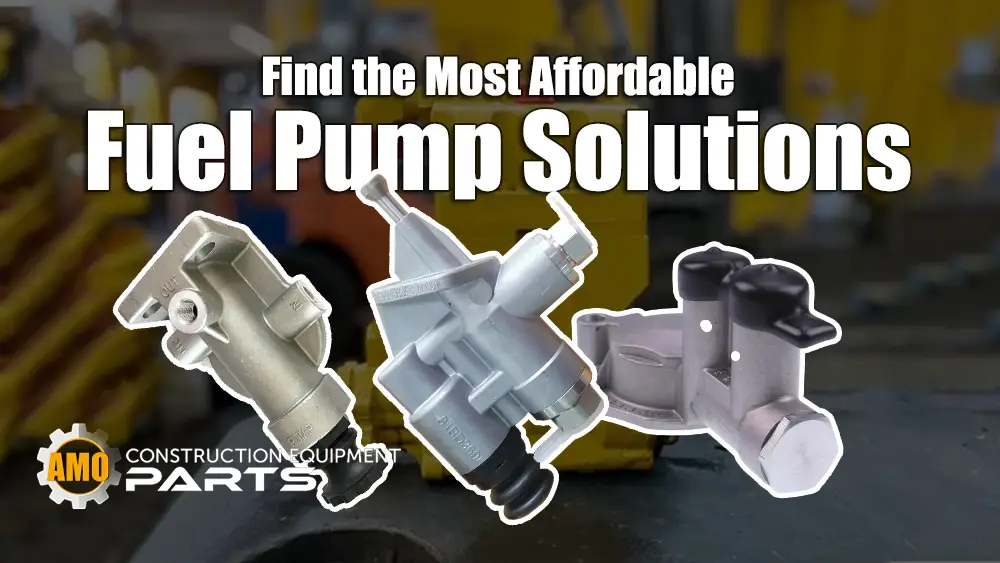
If your car or heavy equipment suddenly won’t start, sputters while driving, or loses power under load, you might have a fuel pump problem. The fuel pump is the part of your fuel system that delivers gas or diesel from the tank to the engine. When it goes bad, your machine simply won’t run the way it should.
That leads us to the big question: how much does it cost to replace a fuel pump?
The short answer: fuel pump replacement costs usually fall between $800 and $1,500, depending on your vehicle or equipment, labor rates, and the type of parts you choose. But the full story is more detailed than just a number. Let’s break it down so you can budget wisely and avoid surprises
What Is a Fuel Pump and Why Does It Matter?
Think of the fuel pump as your vehicle’s “heart.” It pushes gasoline or diesel from the fuel tank into the engine at the correct pressure. Without it, your engine won’t start, or it might stumble, hesitate, or even stall.
Signs of a failing fuel pump include:
- Hard starting
- Engine sputtering or flameout
- Whining or humming noises from the tank
- Weak acceleration or reduced power
- Poor fuel efficiency
If you notice these symptoms, don’t ignore them—delaying repairs can cause additional damage. And since replacement isn’t optional, knowing the average fuel pump replacement cost helps you prepare.
Average Fuel Pump Replacement Cost
So, what’s the price tag? On most cars, trucks, and machines, you’re looking at:
- Parts: $200 – $900
- Labor: $150 – $400
- Total: $800 – $1,500
Below is a fuel pump replacement cost estimate for popular heavy equipment categories. Actual prices depend on model, brand, location, and whether OEM or aftermarket parts are used.

| Equipment Type | Fuel Pump Parts Cost | Labor Cost | Total Replacement Cost (Estimated) |
|---|---|---|---|
| Compact Excavator | $250 – $600 | $200 – $400 | $450 – $1,000 |
| Mid-Size Wheel Loader | $400 – $800 | $300 – $500 | $700 – $1,300 |
| Large Bulldozer | $600 – $1,200 | $400 – $700 | $1,000 – $1,900 |
| Over-the-road Trucks | $500 – $1,000 | $350 – $600 | $850 – $1,600 |
👉 Heavy equipment often has higher labor costs because of complex disassembly (sometimes requiring removal of large panels or tanks). Using OEM pumps may also push the cost toward the higher end of the range.
Factors That Affect Fuel Pump Replacement Cost

1. Vehicle or Equipment Model
Your machine’s make and model play the largest role in cost. Some vehicles have easily accessible pumps, while others require removing the fuel tank, rear seats, or even the truck bed. More disassembly = more labor hours = higher bill.
High-performance or heavy-duty engines also use more expensive pumps. For example, a simple sedan may need a $250 part, while a construction loader could need a $900 pump.
2. Type of Fuel Pump
There are two main categories:
- Mechanical fuel pumps (common in older vehicles): Simple and cheaper, but harder to source nowadays.
- Electric fuel pumps (common in modern vehicles): Found either in-tank or external. In-tank pumps often require dropping the fuel tank, adding labor costs.
The type your machine uses will affect both part price and installation difficulty.
3. OEM vs. Aftermarket Parts
- OEM (Original Equipment Manufacturer): Higher price, guaranteed compatibility, and longer warranty.
- Aftermarket: Usually cheaper and widely available. Quality varies, but many reputable suppliers—like MyMromarts—offer reliable aftermarket fuel pumps that balance cost and durability.
Choosing aftermarket can save you hundreds, but always check reviews and quality ratings.
4. Labor Costs
Labor is the other half of the bill. Dealerships often charge $120–$200 per hour, while independent mechanics may charge $75–$120. Replacing a fuel pump can take anywhere from 2 to 6 hours depending on accessibility.
For heavy equipment, expect the higher end because pumps are often harder to reach.
5. Location
Where you live also matters. Big cities typically have higher shop rates, while rural shops may be cheaper. Availability of parts also varies by region, which can push costs up if you need to special-order a pump.
6. Additional Repairs
Fuel pump failure doesn’t always come alone. Related parts often need service too:
- Fuel filter replacement: $20 – $50, often done at the same time.
- Fuel tank cleaning: $100 – $300 if debris or rust is found.
- Fuel lines and connectors: Costs vary if corroded or damaged.
- Pressure regulators or sensors: May need replacement for proper function.
A proper diagnosis ensures you’re not paying for unnecessary parts.
DIY vs. Professional Replacement: Which Is Right for You?
One of the biggest questions people ask: Can I replace a fuel pump myself to save money? Let’s compare.
DIY Fuel Pump Replacement
- Parts cost: $200 – $800
- Tools cost: $50 – $200 (specialty tools like line disconnect tools or a jack)
- Labor: Free (your time)
- Risks: Mistakes can damage other parts, fuel leaks are dangerous, and the job can take 4–6 hours for beginners.
DIY is doable for mechanically inclined owners with the right equipment. It can save hundreds, but it’s not for everyone.
Professional Replacement
- Parts cost: $250 – $900 (often marked up)
- Labor cost: $150 – $400
- Diagnostic fee: $50 – $150 (sometimes waived if you approve the repair)
- Perks: Warranty on parts and labor, faster turnaround, and peace of mind.
For most owners, going professional is the safer bet, especially for complex vehicles or heavy equipment.
Quick Cost Comparison
| Expense | DIY | Professional |
|---|---|---|
| Fuel Pump | $200 – $800 | $250 – $900 |
| Tools | $50 – $200 | Included |
| Labor | $0 | $150 – $400 |
| Diagnostic | $0 | $50 – $150 |
| Total | $250 – $1,000 | $400 – $1,500 |
How to Save Money on Fuel Pump Replacement
Nobody wants to overspend on repairs. Here are smart ways to cut costs without cutting corners:
- Shop around for quotes. Don’t settle on the first shop—compare labor rates and parts pricing.
- Consider aftermarket parts. Quality aftermarket pumps from suppliers like AmoParts offer reliable performance at a lower price.
- Bundle repairs. Replace the fuel filter and clean the tank while you’re in there. It prevents future failures and saves labor down the road.
- Avoid running on empty. Keeping your tank above 1/4 full helps prevent the pump from overheating and failing early.
- Look for promotions. MyMromarts often offers member coupons and seasonal discounts that can save you a significant amount on replacement parts.
When It’s Not the Fuel Pump
Here’s an important tip: not every “fuel pump problem” is actually the pump. Other issues can mimic pump failure, such as:
- Clogged fuel filter
- Bad fuel pressure regulator
- Failing sensors
- Electrical wiring problems
That’s why a proper diagnosis is key. It saves you from replacing a perfectly good pump when the real culprit is elsewhere.
Before approving a fuel pump replacement, compare the machine behavior with these fuel pump relay symptoms and test steps. A relay, fuse, connector, or wiring fault can stop a working pump from receiving power.
FAQs About Fuel Pump Replacement Cost
1. How do I know if my fuel pump is going bad?
If your vehicle’s acting cranky when starting, sputtering while you drive, or losing power when you hit the gas, the fuel pump could be the culprit. Some vehicles will even stall out under heavy load.
2. Can I swap out the fuel pump myself?
If you’re confident with a wrench and have the right tools, yes — it’s doable. But if you’re not used to vehicle repairs, it might be safer (and less frustrating) to let a mechanic handle it.
3. What’s the price tag on a fuel pump replacement?
Most replacements run between $400–$850, including parts and labor. Doing it yourself will save on labor, but the pump itself is usually the big expense.
4. How much time will the repair take?
It depends on the vehicle. Some jobs take about an hour, while others can stretch to 5–6 hours.
5. What happens if I just keep driving with a bad pump?
Eventually, your vehicle may refuse to start, stall out on the road, or even cause more damage to the engine. In short — it’s a problem you don’t want to ignore.
Conclusion
Replacing a fuel pump isn’t cheap, but it’s one of those repairs you can’t skip. The average fuel pump replacement cost of $800 to $1,500 may feel steep, but understanding the breakdown helps you budget wisely.
Remember:
- Parts and labor both matter.
- Vehicle type and pump design affect the total price.
- DIY saves money but carries risks.
- Quality aftermarket parts from trusted brands like AmoParts can help you cut costs without sacrificing reliability.
At the end of the day, replacing your fuel pump is an investment in your machine’s reliability and performance. With the right approach, you’ll keep your car or heavy equipment running smoothly—and save money in the process.


